A newly painted wall should be smooth, even and uniform. Occasionally, however, thin lines, ridges, or irregular patches appear where the plasterboard sheets join. These defects are referred to as joint flashing or visible joints of plasterboard. They can be especially prominent in strong light, near windows, or when the sunlight shines at an angle on a wall.
GIB plasterboard is a material that is commonly used in New Zealand homes and commercial buildings due to its practical surface for interior finishing. To get a perfect look, it not just about painting. The final result is determined by the proper jointing, sanding, surface preparation, and painting techniques.
A professional GIB stopping service in Auckland can help solve these problems by ensuring plasterboard joints are properly filled, reinforced, and finished prior to painting. The key to preventing disappointing results is to understand the reasons for visible joints.
Common Reasons GIB Joints Show Through Paint
Inadequate Joint Stopping
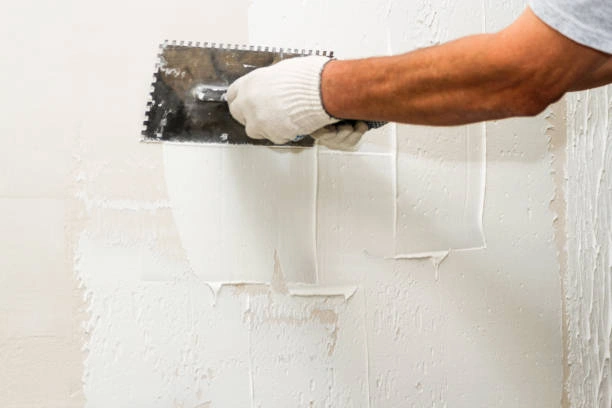
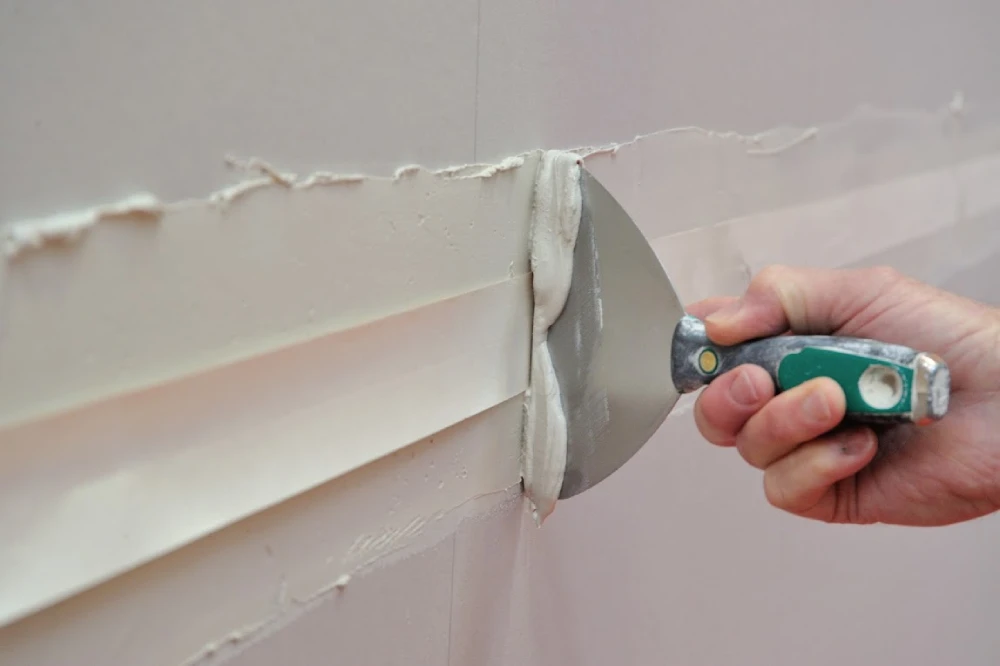
Poor stopping work is one of the most common causes of visible joints. The transition between the plasterboard sheets is still visible when the jointing compound is not applied evenly or in a sufficient amount. Thin areas can result in small low spots, and heavy compound can lead to raised ridges.
Correct stopping requires the use of joint tape, the use of appropriate compound, and feathering of the edges to make the joint blend in with the surrounding surface. All layers should be carefully applied and allowed to dry as directed by the manufacturer.
Insufficient Sanding
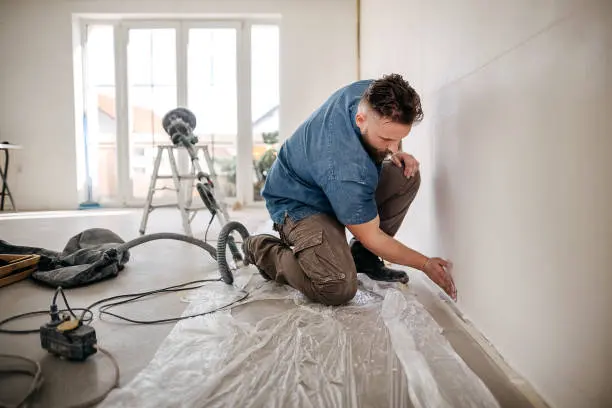
Sanding is used to eliminate small ridges and provide a smooth surface between stopped joints and plasterboard surfaces. When sanding is done too quickly, rough edges and marks from sanding tools may show after painting.
Excessive sanding can lead to issues too. It can harm the jointing compound, reveal the tape, or form low spots that show up in certain lighting conditions. To achieve a uniform finish, care must be taken in sanding with the proper tools.
Poor Surface Preparation
Dust, grease, and loose particles can hinder the adhesion of the paint and/or impact the finished look of the paint job. If the joints are stopped properly, the surface may not be prepared properly, and this can result in uneven paint absorption.
These problems can be avoided by removing the sanding dust and by inspecting the wall for imperfections before applying the primer. Correct surface preparation also helps to ensure a long-lasting and well-maintained finish.
How Lighting Makes GIB Joints More Noticeable
Lighting can show up flaws that are not apparent during the day or in regular indoor lighting. Large windows letting in strong natural light can cast shadows along joints, and lights mounted on the wall can accentuate small ridges and depressions.
This is especially true if the light goes over a wall, rather than directly on it. Any difference in surface texture will be apparent after painting.
Inspect the walls of a room before completing the room under various light conditions. A work light that can be moved around at an angle can help to spot any irregularities that need further attention. It’s easier and more effective to fix these spots before painting than after.
The Importance of Correct GIB Fixing
The quality of plasterboard installation will directly impact the performance of the finished wall. The lack of securing the sheets properly, wrong placement of screws, and shifting of boards can cause cracks, mismatches, and visible defects.
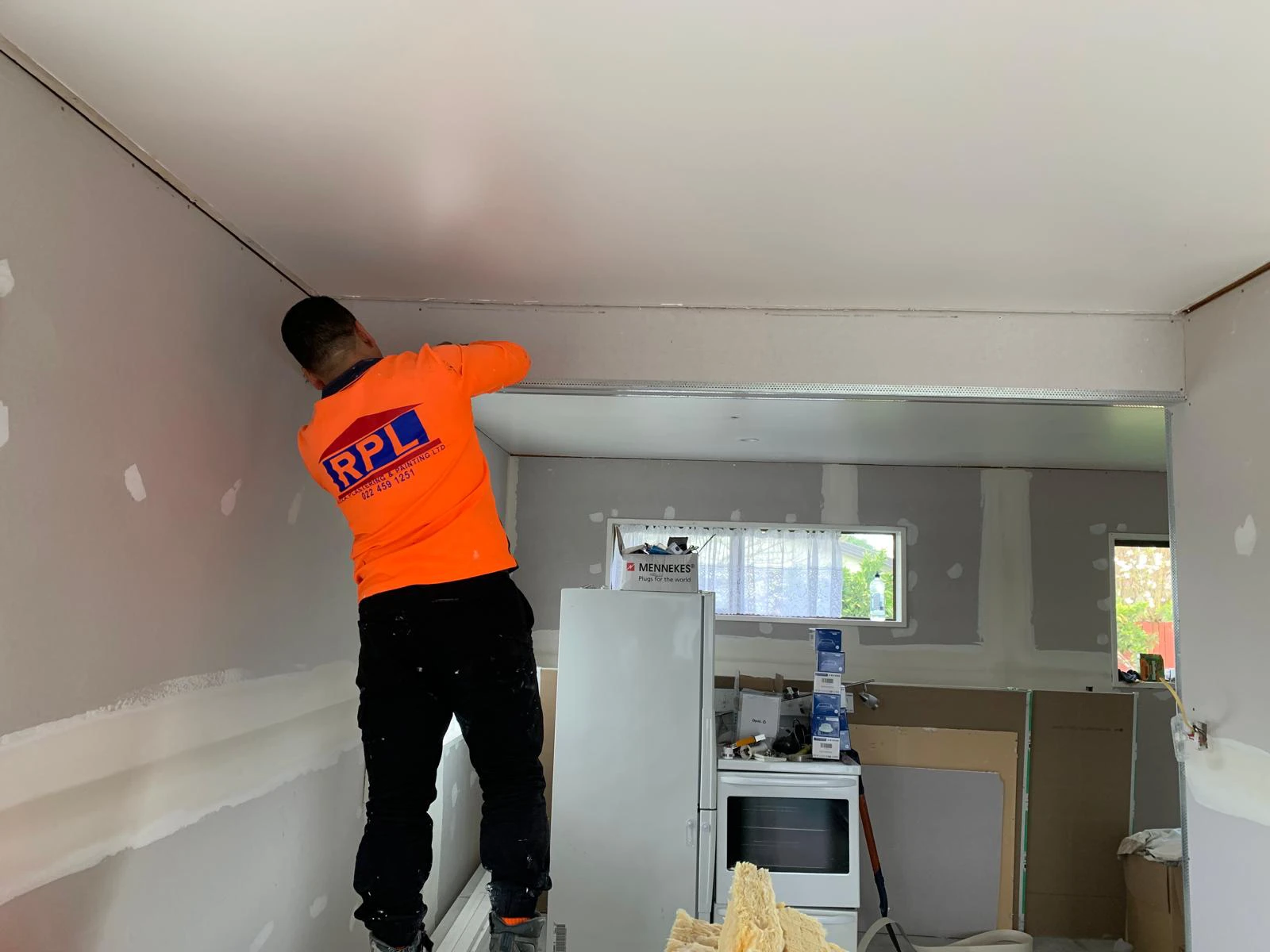
Plasterboard sheets are secured and placed properly before the plastering is stopped with the help of the professional services relating to GIB fixing in Mount Roskill. Fixings must be suitable for the board and framing and the edges of the boards must be supported as necessary by the installation system.
Likewise, GIB plasterboard fixing in Mount Roskill requires careful consideration of the board alignment, framing conditions, and the installation needs. If the fixing and stopping are done correctly, the surface will be more uniform for the painter and the chances of showing joints will be minimised.
Practical Ways to Prevent Visible GIB Joints
Use Suitable Jointing Materials
It is important to select the proper jointing compound and tape. Materials must be able to be used with the plasterboard system and appropriate for the use. Adhesion, strength, and surface consistency are more likely to be achieved if the product instructions are followed.
Apply Compound in Multiple Layers
Attempting to make a single pass to complete a joint may cause the joint to be uneven and make drying more challenging. Laying compound in the right layers enables it to be shaped and feathered more effectively.
Wider finishing coats help to merge the joint seam in a gradual way with the rest of the wall. The goal is to remove any sudden shifts in the surface elevation and not simply “close” the space between the sheets.
Allow Adequate Drying Time
Jointing compound should be allowed to dry before applying further coats, sanding, or painting. If applied too early, it can lead to cracking, uneven drying, and finishing issues.
The drying times vary depending on the product, temperature, humidity, and ventilation. By following the manufacturer’s instructions, it is ensured that the surface is ready for the next stage.
Apply a Suitable Sealer or Primer
Paint can absorb into bare plasterboard and into stopped joints. These differences can lead to areas called joint flashing, unless they are properly prepared.
The use of a suitable plasterboard sealer or primer will help to even out the absorption of the surface and provide a more uniform base for the topcoat. The chosen product should be appropriate for the substrate and the proposed paint system.
Choosing the Right Painting Technique
The painting process can be inconsistent, and even the best stopped walls can appear uneven. The right roller, a wet edge, and even application help to minimise the differences in sheen and texture that will be visible.
Let each coat dry according to instructions before applying another coat. Don’t apply additional paint to cover up poor joint work; thicker coats of paint do not usually fix surface problems.
If a space is well lit by the sun or by artificial lighting, be mindful of the finish. Paint sheens reflect light differently and may highlight surface imperfections more than flat finishes. However, even the best paint finish will not make up for poor stopping or sanding.
When Should You Hire a Professional?
If there are a lot of joints visible, it might be a sign of deeper preparation or installation issues, whereas small imperfections might be fine for more experienced DIY enthusiasts. If cracking has occurred repeatedly, the wall surfaces may be uneven, there may be ridges, exposed tape, and the wall needs to be professionally assessed.
A professional plasterer will be able to determine if the problem is a repair, jointing, sanding, priming, or movement of the building. It is better to correct the root cause rather than the same area over and over again.
Professional finishing is especially beneficial for renovations, new construction, and areas where the walls need to be smooth for aesthetic purposes. Good craftsmanship will minimise rework, create a better paint finish, and contribute to a more uniform interior finish.
Achieve Smooth Walls with Reza Plastering and Painting Ltd
The majority of the problems can be minimised by the correct installation, careful stopping, sanding and priming, and visible GIB joints can detract from an otherwise attractive interior. By focusing on every step, you will have a more solid base to build your painting upon, and will be less likely to notice imperfections later in the process.
Reza Plastering and Painting Ltd offers plastering and painting services when attention needs to be paid to surface preparation and quality of finishing. From installing plasterboard to cleaning and preparing walls for painting, with the help of a professional GIB stopping service in Auckland, you will get a cleaner, more consistent result to your project.