Any interior or exterior space can be transformed by a smooth and durable wall finish that produces its own look. There are certain things involved in plastering that need to be done carefully so that plastering can be done on the correct way, including the selection of suitable materials and techniques in plastering. If these steps are not followed, some common issues like cracks, bubbling, uneven surface and peeling will occur. Professional plastering services in Auckland will be able to determine what is causing these problems and implement effective solutions that will give you a cleaner, durable finish.
Cracks in Plaster and Wall Surfaces
The most prevalent plastering issue is cracking. The fine hairline cracks can occur due to natural building movement, drying, or temperature variations. Larger cracks may be a sign of inadequate surface preparation, movement or improper plastering.
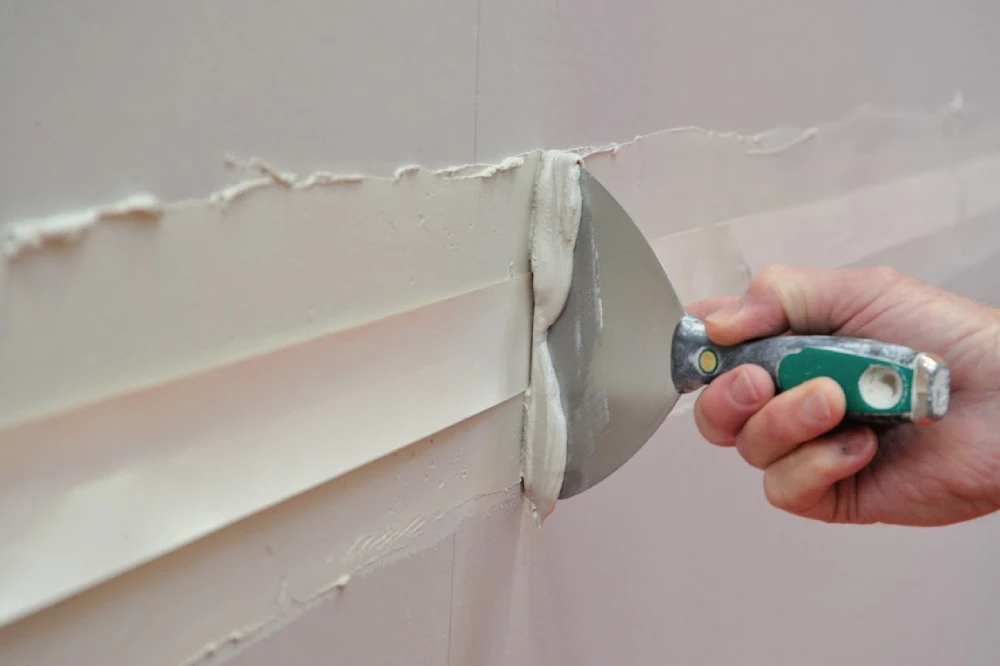
Instead of covering up the crack, experts first check the area to identify what is causing the cracking. Any loose or damaged material is removed, the surface is prepared and appropriate jointing or reinforcing material is applied. This is then plastered and sanded to achieve a smooth appearance.
Uneven or Wavy Plaster Finishes
If the walls are not aligned, the room will appear unfinished, especially if it has been painted. Inconsistent thickness of plaster or poor techniques in application or surface preparation can lead to high and low spots.
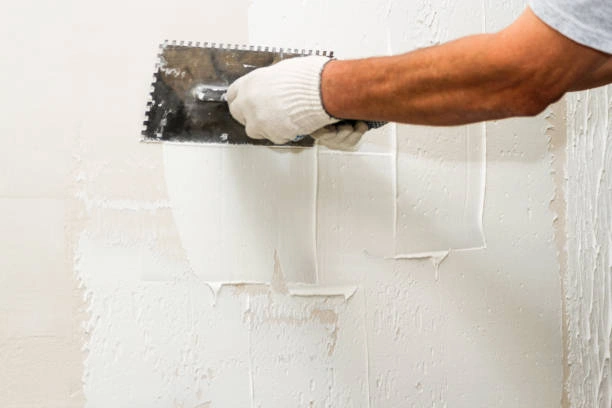
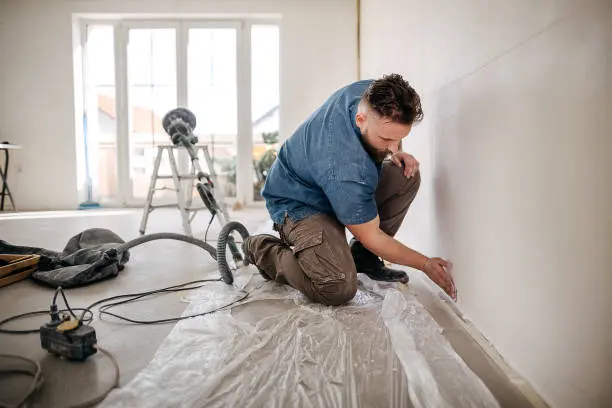
Skilled plasterers know the right tools and the correct way to apply it to level the surface. They can cut off high spots, fill low spots, and add coats as needed. The wall is sanded and finished with care and is ready for decoration. Plastering services in Mount Roskill can prove to be very beneficial when there is a need to upgrade an older wall.
Bubbling, Blistering and Peeling
Plaster bubbling or blistering is likely when the moisture gets trapped between the wall and the plaster. Peeling may also occur if the plaster is applied onto a dusty, wet, or improperly prepared surface.
No moisture source is found before repairing the finish. After fixing the cause of the problem, damaged plaster is taken off, and the surface is properly cleaned and dried. It may then be suitable to use a primer or bonding product before adding new plaster. This way, you can prevent the same problem from happening again.
Shrinkage and Poorly Finished Joints
When plaster is drying, it will shrink slightly under certain drying conditions, especially if it is applied too thick or is dried under the wrong conditions. This may leave visible lines, gaps or depressions. Imperfections can also be created by poorly finished plasterboard joints.
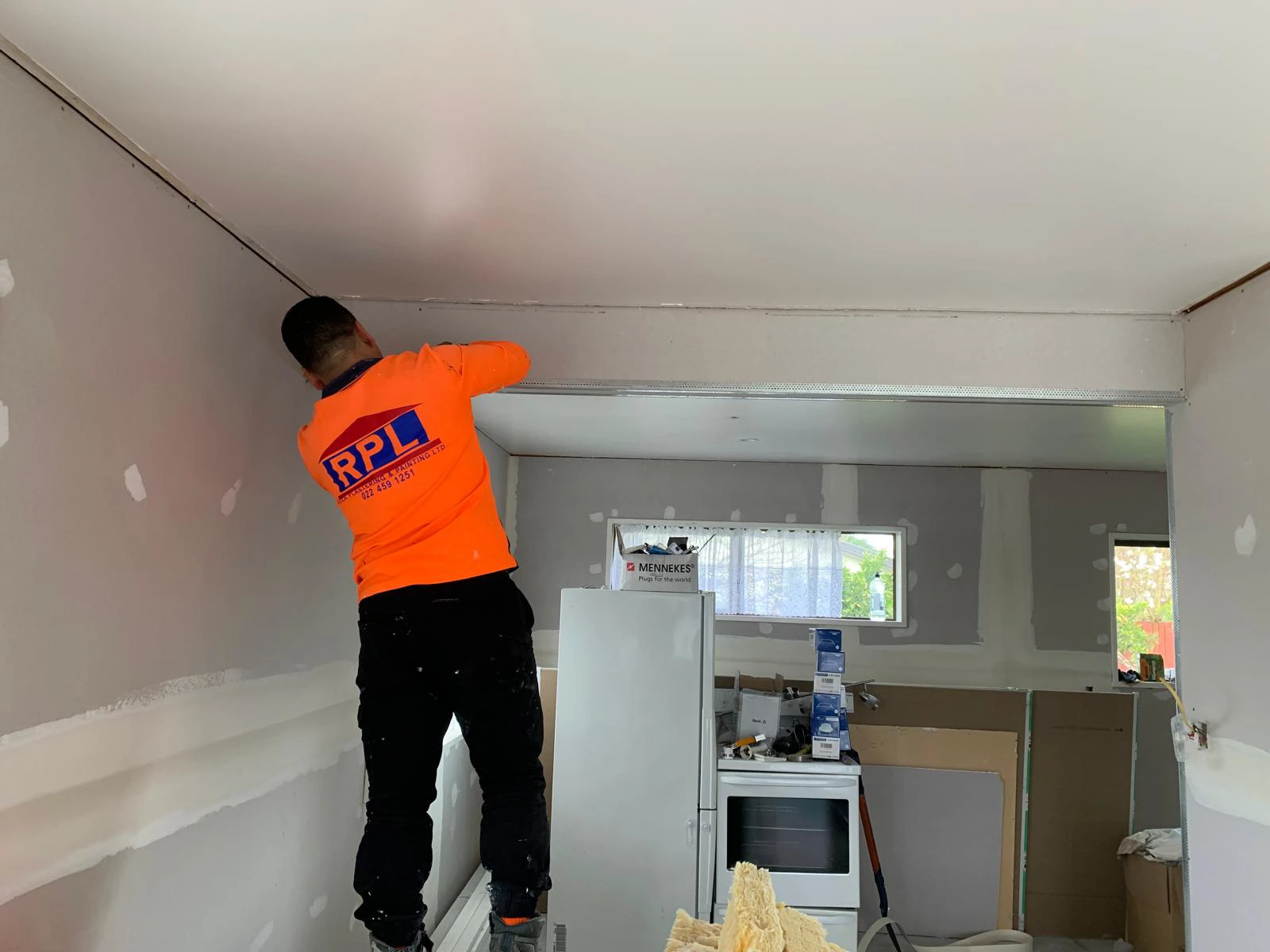
For plasterboard projects, professional GIB fixing services in Auckland ensure the boards are properly positioned, secured and aligned prior to any plastering. The skilled tradespeople are also well-versed in preparing joints properly, thereby reducing the likelihood of visible seams after painting.
Problems Caused by Poor Preparation
A lot of plastering faults start before plaster has been applied. Proper adhesion is hindered by dust, grease, loose paint, moisture and unstable surfaces. Plaster can crack, flake or separate if applied directly on an improper substrate.
The substrate is tested by experienced professionals. They clean, repair and prime surfaces as necessary and choose products for the specific wall or ceiling surface. If you have a project that will need GIB stopping, then it’s also necessary to prepare the joints properly so as to get a smooth and paint-ready surface.
Why Professional Plastering Makes a Difference
Sometimes, DIY repairs may hide a defect for a period of time, but will not actually solve the underlying problem. A plastering professional has the experience to assess if the issue is moisture, movement, the condition of the substrates, or the selection or application of the materials. This allows them to select the correct repair method.