Homeowners are frequently comparing the traditional plastering process with GIB stopping when it comes to finishing interior walls and ceilings. Both form a smooth surface that’s ready for painting, but use various materials, processes and methods. Being aware of the difference can help you decide which finish to use for a renovation, new build or repair project. If you are looking for a GIB stopping service or trusted plastering services in Mount Roskill, it is important to understand what both services entail.
What Is Plastering?
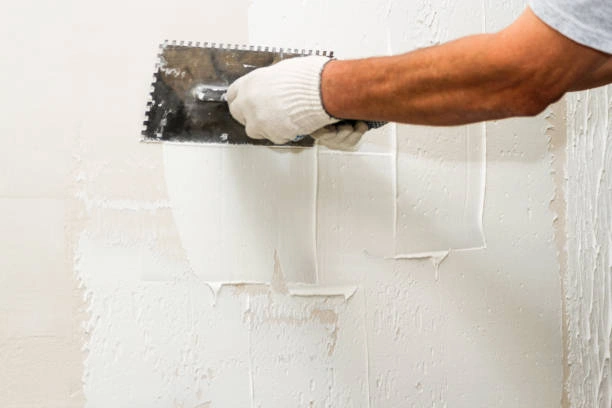
Plastering is the application of a plaster compound or plaster-based coating to a suitable surface to form a smooth, durable surface. The amount of plaster applied over masonry or existing surfaces or over prepared substrates depends on the project. The plasterer applies and level the plaster until it is dried and done.
Plastering is usually employed on a wall that needs levelling, replacement or resurfacing. It can help cover minor surface imperfections and provide a solid base for decorating. It has been noted that the unevenness of the surface may cause the appearance of waves, cracks, or other imperfections which can be clearly seen on the plastered surface. Therefore, it is important to prepare the surface, mix and apply them properly.
What Is GIB Stopping?
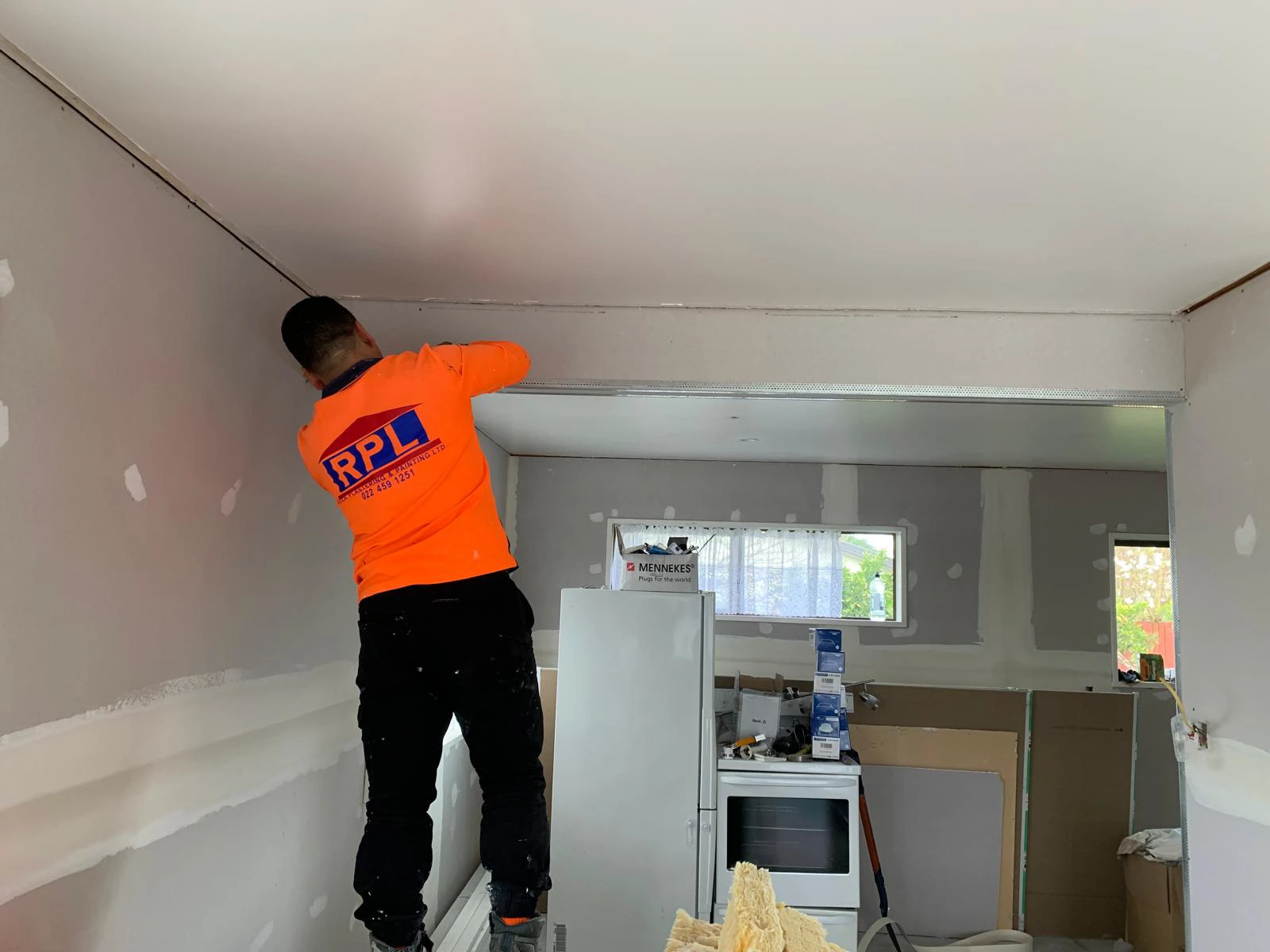
GIB stopping is the completion of joints, screw holes and other connections of GIB plasterboard. When the compound is applied to stop the joints, it is typically held in place with joint tape, and then sanded or otherwise prepared to create a seamless appearance. The goal is to have the individual plasterboard pieces look like a seamless wall or ceiling.
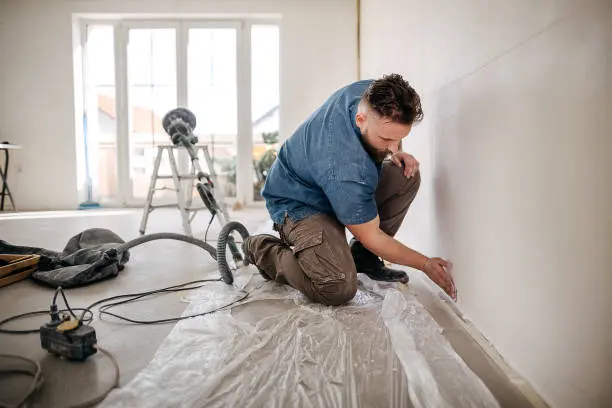
There may be multiple coats of compound, sanding and feathering between coats, and it may be a professional GIB stopping process. Corners, joins and fixings should be given special consideration. When painting, good workmanship is used to minimise the appearance of joint lines, ridges and imperfections.
GIB Fixing and GIB Stopping: Are They the Same?
GIB fixing and GIB stopping are two distinct processes. GIB fixing is the process of attaching plasterboard sheets to walls or ceilings and ensuring that they are properly fixed. GIB stopping follows with a focus on joints, fasteners and surface preparation.
Thus, GIB fixing services in Mount Roskill might be necessary prior to the beginning of stopping. The correct placement of a board and proper attachment is the key to an attractive final finish. Stopping alone will not completely correct movement, uneven joins or structural issues if the sheet is not installed properly.
Key Differences Between Plastering and GIB Stopping
The biggest difference is the surface area and how it is done. Plastering is generally used to add or replace a surface with plaster. GIB stopping is a special finishing for plasterboard installations.
They also vary in terms of thickness, drying times and preparation. Plastering may be done as a broader application on an entire wall, and GIB stopping typically applies to the joints, screw holes, corners and transitions. In both cases, it is a matter of skill and preparation to get it the way it should be.
Which Option Is Right for Your Project?
The right choice varies based on the surface conditions and project needs. When plasterboard walls or ceilings require a seamless finish, prior to painting, it is normally the job of the plastering work known as GIB stopping. Plastering may be more suitable if a plaster wall is to be refurbished, levelled or repaired.
Some renovations may require both services. For example, a property might require plaster repairs in one situation, but have new GIB installed in another. The first step is to evaluate the substrate to decide on the best strategy.
Why Professional Finishing Matters
Workmanship can make a significant difference in the appearance, whether plastering or GIB stopping. Cracking, uneven surfaces, and visible joins and paint that show imperfections are all potential problems that can arise from poor preparation. Professionals have knowledge of drying times, surface preparation, sanding technique and appropriate finishing products.
A well-finished wall surface is better to paint and decorate. This can enhance the general look of bedrooms, living rooms, offices and other interior spaces, and aid in integrating the repair into the surrounding surfaces.
Factors to Consider Before Choosing
Consider the state of the property, the wall surface and the amount of damage and the intended finish before arranging either of these. Generally, new plasterboard needs to be stopped prior to applying primer and paint. Repairs, preparation and plastering may be necessary on older walls to provide a smooth surface. Adhesion and durability should be considered, as moisture, movement and previous paint layers can all have an impact on it.
It is worthwhile to discuss the finish of the paint. Ridges, sanding marks or uneven areas can be seen with strong lighting. By preparing the room and considering how it will be used, a tradesperson can ensure there is no rework and give a consistent overall visual result.
Choose Reza Plastering & Painting
Reza Plastering & Painting is a residential and commercial plastering and GIB finishing company. The team can prepare the surfaces, repair plaster, finish GIB joints and any other interior tasks as appropriate, maintaining smooth and even surfaces for decorating.
When considering the options of a GIB stopping service to Plastering Services in Mount Roskill, the choice will depend on the wall system, condition and the finish that the homeowners are looking for. By using professional guidance and careful planning, Reza Plastering & Painting can help to produce a tidy and long-lasting surface ready for painting.