When planning a renovation, repair or completion project, it is important to know the plastering costs so that you set your budget properly. In Auckland, prices range due to wall area, surface condition, plastering system, labour requirements, access and finishing standard. A small repair can cost less money, while entire interior plastering or Gib stopping can be a more substantial cost.
The best way to compare plastering services in Auckland is to think beyond price per square metre when contemplating the job. The preparation, materials, application, sanding, finishing, and clean-up are all factors that should be included in a professional quote. This guide will help you understand the primary cost considerations you need to be aware of in 2026.
Average Plastering Costs in Auckland
Contrary to popular belief, plastering is usually done for a fee based on the size and complexity of the project. The cost for basic plaster repairs is approximately $150 to $400 per smaller repair area, and repairs for larger walls and skim coating can cost several hundred dollars or more. The average cost of new plasterboard finishing, including Gib stopping, can be anywhere between about $25 and $60 per square metre depending on the finishing required and the site conditions.
Plastering costs in excess of $60 per square metre can apply to larger jobs that require detailed preparation, hard-to-reach locations, high quality finishes or significant repairs. These are “ballpark” prices, meaning they are not set in stone. Auckland contractors can present their quotes in various ways, so it is vital to understand what is covered rather than just go with the lowest headline rate.
What Affects Plastering Prices?
The final plastering cost is dependent on a number of factors. Learning about them makes it easier to compare quotes.
Wall and Ceiling Area: Larger the area, the more materials and manpower will be needed, although contractors can provide a lower rate for larger projects.
Surface Condition: Cracks, holes, uneven surfaces, water damage, and loose coating need to be prepared before plastering. Preparation takes more labour time with extensive preparation.
Type of Plastering: Applying skim coat, finishing plasterboard, patching, decorative plastering and resurfacing a whole wall have different labour and material needs.
Finish Level: Standard finish is usually less expensive than a high quality smooth finish, especially for special walls or walls under strong natural light.
Accessibility: Limited room, restricted areas, stairs, corners, and restricted access may have an impact on installation time and equipment requirements.
Location: May vary depending on the Auckland location for instance, the plastering services in Auckland could rely on the variables of the property location, access, parking, available contractor and size of the project.
Gib Stopping and Plastering Costs
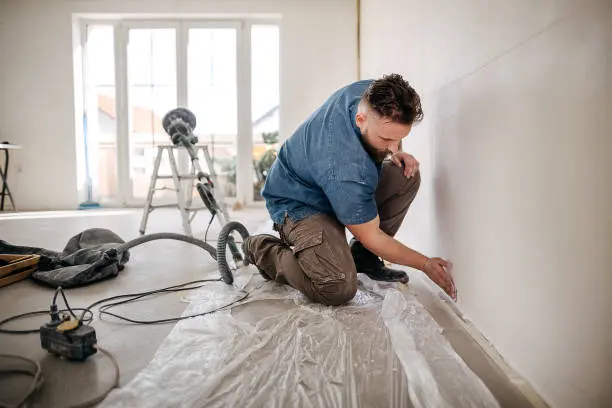
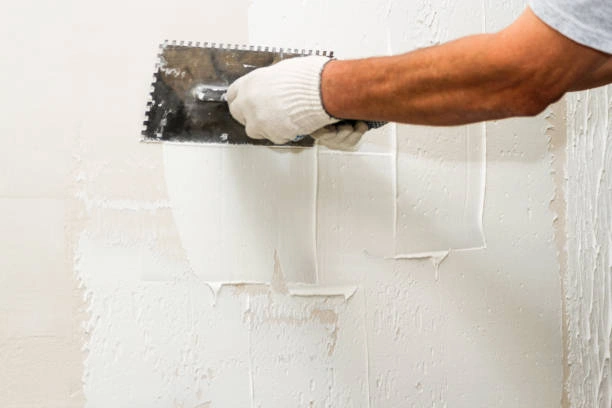
Gib stopping is a crucial element in the completion of plasterboard walls. It includes filling, covering fixings, strengthening joins as required and sanding to provide an appropriate finish for painting.
The number of coats and sanding levels will vary depending on the desired finish. Residential jobs can have varying costs for standard finishing in comparison to the higher costs of a premium finish if walls must look very smooth. When it comes to installing new Gib, keep in mind that it can be plasterboard, framing adjustments, fixing, stopping, sanding, priming and painting.
Plaster Repair vs Full Resurfacing
If the damage is minor, small plaster repairs will likely be the most affordable option. A crack, dent or nail hole or any other localised damage can be fixed without having to resurface the entire room. If a wall is cracked extensively, if it has an irregular existing coat or if the area is prone to repair work, the overall finish may be better if it is resurfaced.
Homeowners should also take the time to research the source of the recurring damage. Plaster issues may recur due to moisture, movement, leaking pipes or inadequate substrate preparation. Addressing the cause of the problem before plastering can save further expenses.
Interior Plastering Cost Considerations
Interior Plastering is not just about plastering a wall. Surface preparation, product selection, application, drying time and careful sanding all are critical to good results. Ceilings may also necessitate extra attention to the ceiling since it is not as easy to work high up.
If you’re renovating, schedule the plastering work with the electrician, plumber, insulation and carpenter. If these trades are not completed in the correct sequence, it leaves a danger of damaging newly finished surfaces, thereby causing unnecessary rework.
How to Get an Accurate Plastering Quote
When seeking a quote, make sure that the contractor inspects the site and specifies the work needed. A helpful quotation would include the areas to be plastered, preparation, materials, level of plaster, labour, waste disposal and if GST is applicable.
Also consider the time to expect, drying needs, warranty or workman guarantees, and preparation for painting. When more than one company offers a quote, ensure that they are giving you quotes for the same specifications. A cheaper quotation can may not include the preparation or finishing stages which another contractor added to the quotation.
Ways to Manage Your Plastering Budget
Damage can be addressed early to reduce costs, rooms can be prepared for repairs where possible, multiple damage repairs can be consolidated into one project, and the right finish can be used. Do not select materials based on price alone as it can result in cracking, inadequate adhesion or a less uniform surface.
For larger renovations, ask for a written quote, in depth, before any work is done. Talk about any extra costs for undetected damage or scope changes. When communication is clear, unexpected costs are eliminated.
Why Professional Plastering Matters
Good quality plastering provides a good base that will give a professional finish when painting and will last for many years. When not applied properly, there will be gaps, ridges, cracks, or uneven texture that will become evident upon painting.
Experienced plasterers know how to prepare the surface, take into account moisture, product compatibility, surface preparation, sanding and finishing the joint. The professional workmanship can therefore save time and minimise the risk of expensive rectification work.
Choose Reza Plastering & Painting
When hiring plastering services in Auckland, look for someone who gives you good guidance. Professionals are careful in their preparation and gets the work done in a smoother manner. Reza Plastering & Painting provides plastering and painting services for houses and renovation jobs, focusing on surface preparation and finishing the tasks with a clean, shiny finish. From plaster repairs, Gib stopping, and wall finishing to any other interior jobs, contacting an expert team will help you plan the project, thereby giving you a fair idea of the price of the work before starting the work. They are practical and are able to help Auckland property owners determine which attributes are most important when considering surfaces, their appearance, their durability, project timing and budgets, while ensuring that surfaces are prepared for the final decorative surface and to perform well over time.